In Vietnam, the narrative of personnel healthcare is receiving increasing attention. Following numerous changes in the working environment, performance pressure, labor shifts, and the need for work-life balance, Enterprises can no longer view Wellness as merely a “nice-to-have” activity. Wellness is gradually becoming an integral part of human resources strategy.
Previously, many Wellness programs typically revolved around periodic health check-ups, a few workshops, or internal sporting activities. These activities are valuable, but without continuity, employees tend to participate once and then forget. To create a real impact, Wellness needs to be designed as a journey.
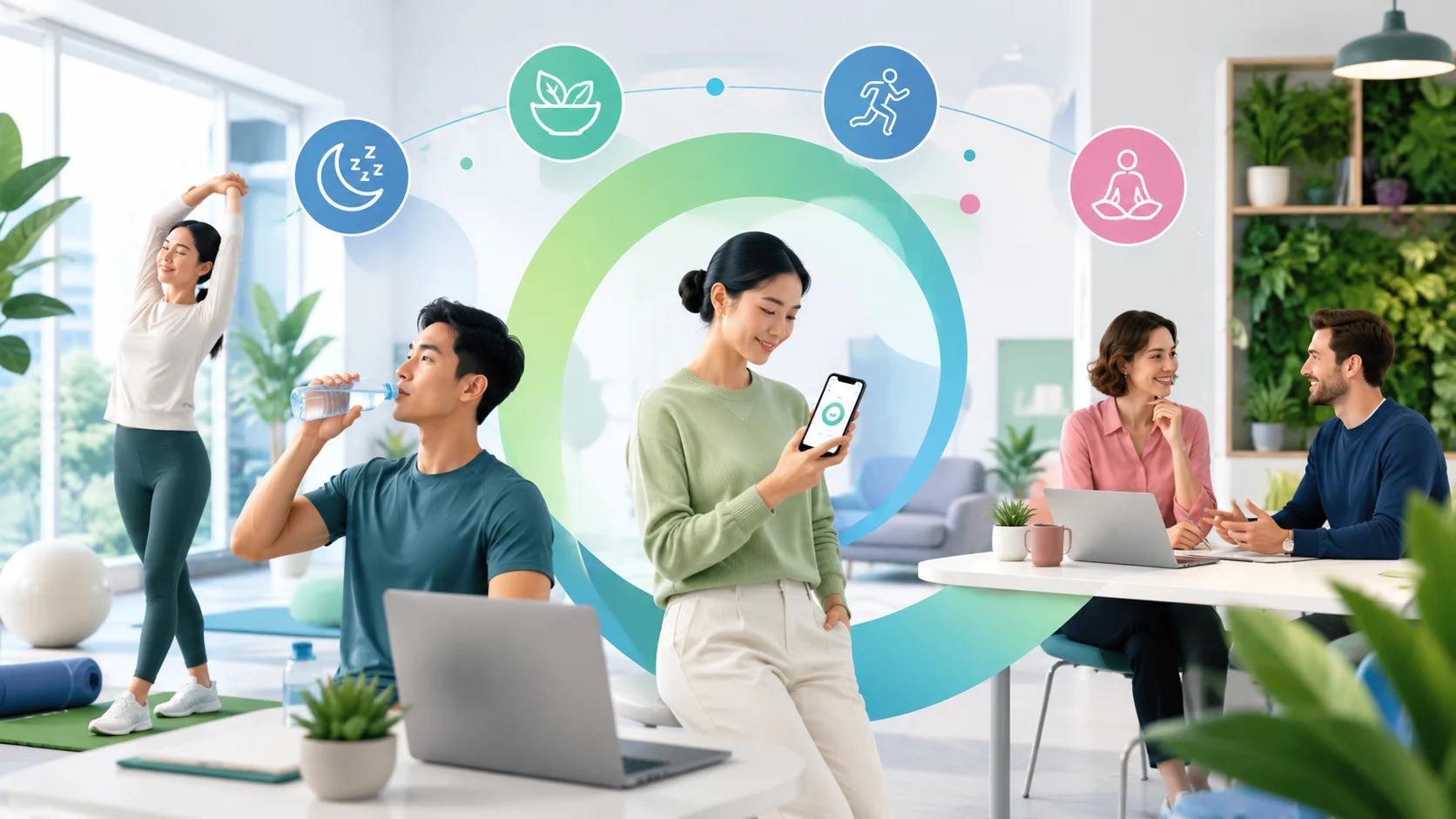
A well-designed Wellness journey should help employees form positive daily habits: moving more, sleeping better, eating healthier, managing stress more effectively, and feeling connected to the organization. When Wellness is personalized and offers an engaging experience, employees are more likely to participate.
Enterprises also require data to determine if a program is effective. How many people are participating? Which activities are most popular? Are employees maintaining their habits? Is the community health score improving? These questions help HR not only organize activities but also proactively manage organizational health.
iWE approaches Wellness by combining a campaign, gamification, reward points, and tracking dashboards. Instead of just one-way communication, Enterprises can create interactive experiences to encourage more regular participation from employees.
Wellness is not an incidental cost. When done correctly, it is an investment in the energy, performance, and long-term engagement of the workforce.